
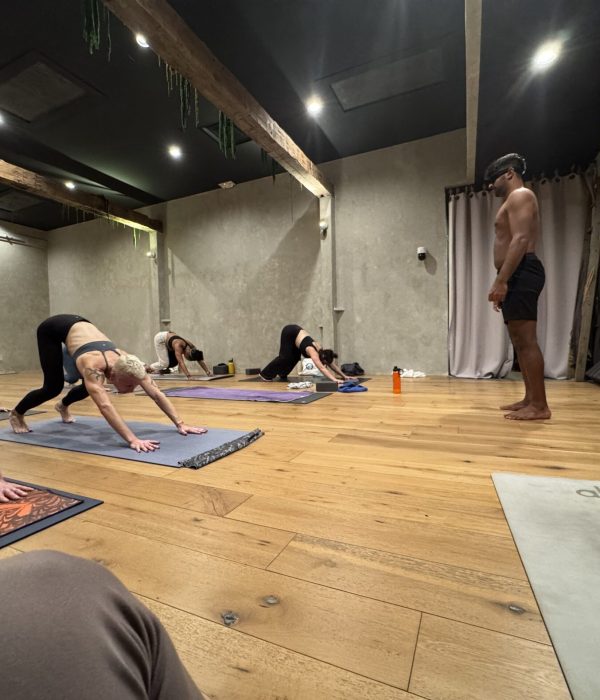
Walking into your first heated yoga class feels like stepping into a sauna with a side of existential dread. The temperature hits you, everyone else looks annoyingly calm, and you’re already questioning your life choices.
Walking into your first heated yoga class can feel intimidating. The temperature is immediately noticeable, other participants may appear comfortable, and it is common to feel uncertain about what to expect.
Many people sign up for hot yoga because they are looking for a physical challenge that also supports mental focus. You may have heard claims about flexibility improvements, stress relief, or other perceived wellness benefits. However, many beginners arrive without fully understanding what practicing yoga in a heated environment requires.
Instructors and practitioners frequently observe that newcomers encounter similar challenges. Some push themselves too hard too quickly, underestimate hydration needs, or choose clothing that becomes uncomfortable during class. Others feel discouraged after an especially difficult first session and decide not to return. In some cases, people continue practicing despite dizziness or dehydration, assuming discomfort is unavoidable.
Many individuals find hot yoga to be a challenging and rewarding form of exercise when approached thoughtfully. However, the learning curve can feel steeper than some other styles of yoga, and mistakes may feel more noticeable in a room heated to approximately 95–105 degrees Fahrenheit.
Below are common beginner mistakes and practical ways to reduce risk and improve comfort.
#1 – You’re Probably Not Drinking Enough Water (and Timing Matters)
A common scenario is drinking a single bottle of water shortly before class and assuming hydration is adequate. During class, this can lead to lightheadedness, muscle cramping, or nausea.
For heated exercise, hydration is most effective when built gradually. The body requires time to absorb fluids and support circulation. Drinking large amounts immediately before class may increase discomfort without fully addressing hydration needs.
Hydration strategies many practitioners find helpful include:
- Increasing water intake in the 24 hours leading up to class
- Consuming fluids consistently throughout the day rather than all at once
- Considering electrolytes for longer or more intense sessions, especially for those who sweat heavily
- Bringing a large water bottle and taking small sips as needed
- Continuing to hydrate after class
- Limiting alcohol or excessive caffeine before practice
Heavy sweating leads to fluid and mineral loss. In longer or more intense sessions, water alone may not fully replace what is lost through sweat.
#2- Pushing Through Pain Because Others Appear Comfortable
Seeing others hold poses with ease can encourage beginners to push beyond their current capacity. This can increase the risk of strain or injury for some individuals.
Heat temporarily increases muscle and connective tissue flexibility. While this may feel beneficial, it can allow people to move beyond their safe range of motion without immediate warning. Heat can also reduce the perception of discomfort, making it harder to recognize early warning signs.
Signals that suggest backing off include:
- Sharp or shooting pain
- Dizziness or visual changes
- Nausea or feeling faint
- Joint instability or hyperextension
- Difficulty breathing even during rest
Rest poses such as Child’s Pose are commonly used to allow recovery during class. Taking breaks is generally viewed as a practical way to support long-term consistency.
#3 – Wearing Clothing That Increases Discomfort
Clothing choice can influence comfort and stability in a heated class. Cotton fabrics tend to absorb sweat and become heavy, while very loose clothing may shift or interfere with movement.
Moisture-wicking, fitted athletic clothing can help manage sweat and reduce distractions. Clothing should allow full range of motion without restricting circulation. Form-fitting does not mean tight; the goal is stability and comfort.
Many participants find that supportive athletic wear works well as the room warms. Towels are also commonly used to improve grip and reduce slipping. Some studios provide towels, but personal towels are often preferred.
#4 – Skipping the Acclimation Period
Starting with an advanced heated class can be overwhelming for many beginners. Hot yoga places additional demands on cardiovascular function and temperature regulation, and these systems adapt over time.
Physiological adaptation typically occurs over multiple sessions and varies by individual. Beginning with classes designed for newcomers allows the body time to adjust.
A gradual approach often includes:
- Beginner or fundamentals classes
- Several introductory sessions before advancing
- Practicing two to three times per week initially
- Allowing rest days between early sessions
- Paying attention to individual responses
Some studios also offer “warm” classes at lower temperatures, which may provide a gentler introduction.
#5 – Eating Too Close to Class Time
Some people find that eating shortly before hot yoga increases nausea or bloating. Digestion requires blood flow, and during heated exercise the body also prioritizes muscles and temperature regulation.
Many practitioners prefer to allow two to three hours between a full meal and class. If food is needed closer to practice, small, easily digested snacks are often better tolerated.
After class, replenishing fluids and nutrients can support recovery.
#6 – Breathing Exclusively Through the Mouth
During challenging moments, beginners often default to mouth breathing. For some individuals, continuous mouth breathing may contribute to dryness or discomfort in a heated room.
Nasal breathing is a core component of many yoga practices and may support calmer breathing patterns. Developing this habit can take time. Many practitioners focus on nasal breathing during less intense portions of class and gradually extend it as comfort improves.
If mouth breathing becomes necessary, using it during rest periods rather than continuously may feel more manageable.
#7 – Comparing Your Practice to Others
Comparing your practice to others can negatively affect enjoyment for some practitioners. Visible differences in flexibility or strength often reflect prior experience, body mechanics, or training background rather than effort.
Progress is highly individual. Useful internal measures include:
- Changes in comfort over time
- Improved breathing control
- Increased familiarity with poses
- Mental focus after practice
The purpose of practice is personal development rather than comparison.
#8 – Ignoring the Need for Rest Days
The sense of accomplishment after hot yoga can encourage frequent attendance early on. However, heated practice places significant stress on multiple systems at once.
Many beginners benefit from additional recovery time as their bodies adjust. Two to three classes per week is often sufficient initially. As adaptation occurs, frequency can be adjusted based on individual tolerance.
Active recovery such as walking or gentle movement may support adaptation without additional stress.
#9 – Leaving Class Too Quickly Without Cooling Down
After practicing in heat, heart rate and body temperature remain elevated. In some cases, standing quickly or sudden temperature changes may contribute to lightheadedness.
Taking time during final rest, sitting briefly before standing, and allowing gradual cooling can support recovery. Many studios provide transition areas where participants can hydrate and cool down before leaving.
FAQs
1. How hot is too hot for a beginner’s first class?
Beginner-friendly hot yoga classes are often heated to approximately 95–100°F. Studios offering “warm” classes around 85–90°F may provide gentler options. Individuals with health concerns should consult a healthcare professional before participating in heated exercise.
2. What should I bring to my first hot yoga class?
Common items include a large water bottle, a yoga mat, a mat-sized towel, a small towel for sweat, and a change of clothes. Many studios offer rentals for new students.
3. Can I do hot yoga if I’m not flexible?
Flexibility is developed through practice. Beginner classes typically include modifications, and many people with limited flexibility participate successfully.
4. How long before I see results from hot yoga?
Some people report noticing changes in flexibility or stress levels after several weeks of consistent practice, though results vary widely depending on individual factors and consistency.
5. Is it normal to feel exhausted after the first few classes?
Yes. Many individuals experience early fatigue as the body adapts to heat, movement, and cardiovascular demands. This often improves over time, but persistent or worsening symptoms should be addressed with an instructor or healthcare professional.
Keep Up With the Challenge
Starting hot yoga can feel challenging at first. Many early difficulties stem from common beginner mistakes, which can often be reduced with preparation and patience.
Approaching practice gradually, listening to bodily signals, and allowing time for adaptation can improve comfort and sustainability.
At Rewild Yoga, beginner programs are structured to emphasize safety, gradual progression, and foundational guidance. The focus is on supportive instruction rather than competition.
Hot yoga may offer physical and mental benefits for some individuals when practiced appropriately. While the first few classes may feel demanding, many people find that consistency and preparation improve the experience over time.
We welcome students of all experience levels to our Columbus studio.
Ready to begin? Join us for a beginner class where instructors guide you through the foundations and help you establish sustainable habits.
Call (614) 400-8014 or visit our website to book your class.